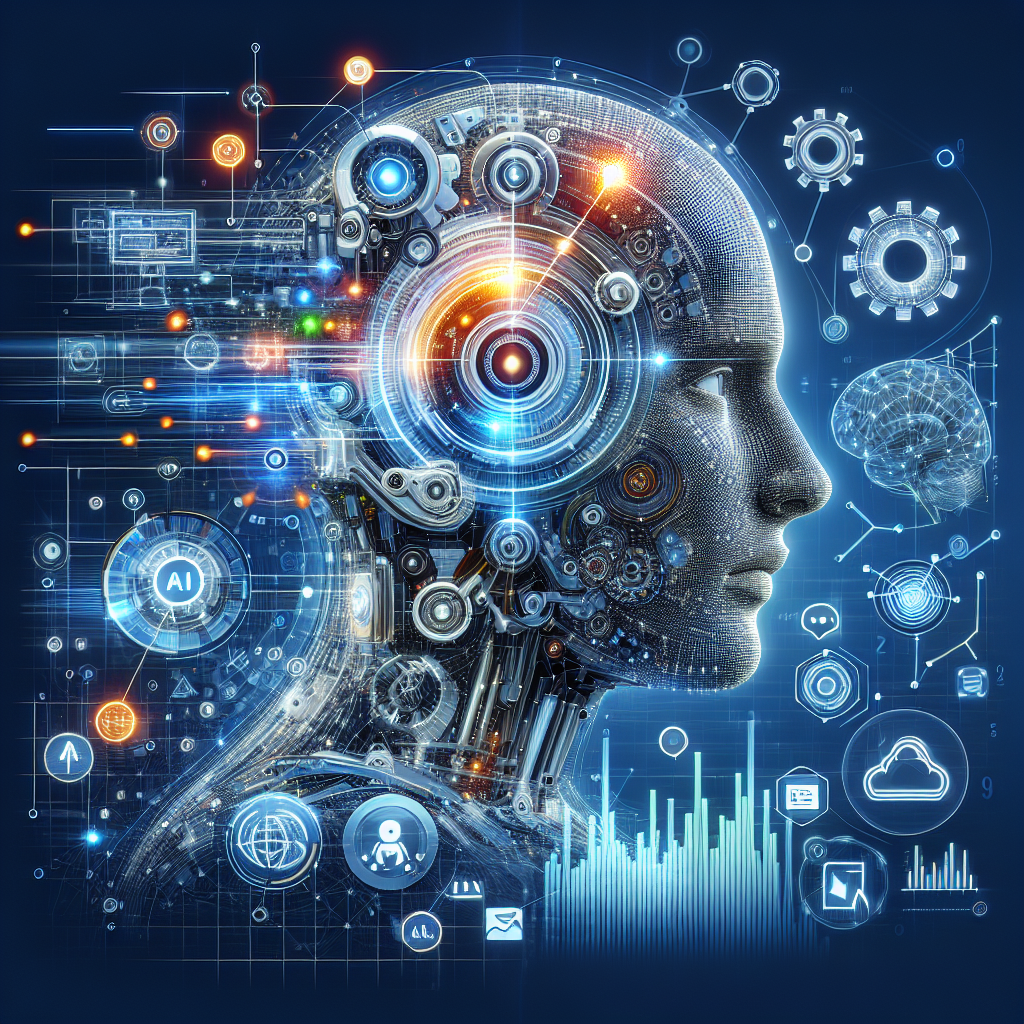
Images are now central to SEO strategies. They attract attention, facilitate understanding of a subject and help to improve the overall performance of a site. The appearance of tools capable of automatically producing realistic illustrations, graphics or compositions profoundly changes how brands design their digital media. With these technologies,web-optimized image production becomes faster, more flexible and often more accessible.
Beyond the mere generation of images, these intelligent systems are part of a global evolution in digital marketing. Search engines increasingly value rich and relevant content. In this context,graphic elements play a strategic role in the visibility of a page, especially when they are properly structured, contextualised and adapted to the expectations of internet users.
When automation transforms image production
Creating original illustrations once required time, design skills and sometimes a large budget. Artificial intelligence tools capable of designing images from text descriptions change the situation. It is now possible to quickly generate unique visuals to accompany an item, product sheet or service page.
This development allows companies toproducing graphic content in large quantities while maintaining visual consistency. Marketing teams can test several styles, adapt formats to different platforms or illustrate complex concepts without going through lengthy and costly creative processes.
In the field of natural SEO, this ability to quickly produce relevant images represents a considerable advantage. A site rich in visual media can capture more visitors' attention and offer a more enjoyable navigation.
Images better suited to search engines
Search engines no longer simply analyze the text of a page. They also interpret images, their descriptive tags and their context. Relevant illustrations can thus strengthen the overall understanding of content.
Automated creation technologies allow images directly related to the subject to be developed. This facilitates the production of really relevant illustrations, capable ofsupport the editorial message and improve understanding of indexing robots.
To achieve good results, several elements remain essential:
– a descriptive file name
– precise alternative attributes
– optimized image weight
– consistency between text and illustration
In combination with these good practices, images generated by artificial intelligence can contribute toenhancing the overall relevance of a page to search engines. This complementarity between textual content and graphic elements becomes an important lever for improving online visibility.
A powerful lever to improve visitor experience
Internet users often travel the pages quickly. A dense content composed solely of text may discourage reading. The images then play a crucial role in structuring information and making navigation more enjoyable.
Visual generation tools can be used to illustrate abstract ideas, simplify technical explanations or create pedagogical diagrams. Thanks to this,reading becomes more fluid and user more easily assimilates information.
This improvement in the experience on a page indirectly influences the SEO. When visitors stay longer on a site, consult multiple pages or interact more with content, search engines interpret these signals as a quality indicator.
In this way, companies that use these technologies intelligently canstrengthen the interest of readers while improving the performance of their pages. Visuals are no longer mere decorative elements: they are fully involved in the content strategy.
A new approach to content strategy
The integration of these technologies into digital marketing changes the way content is designed. Teams can now think simultaneously of text and images from the creation phase. This approach makes it possible to produce more complete and coherent pages.
For example, an article may be accompanied by explanatory illustrations, situations or graphic representations adapted to each section. This allowsstrengthening the editorial structure and enriching the informative value of content.
This transformation is part of a broader evolution of natural SEO. Tools based on artificial intelligence are already involved in many aspects of SEO, such as keyword analysis or technical optimization. For further information, please consultthis article on the evolution of seo with artificial intelligence.
Specialized solutions also exploit these technologies to improve communication between websites and exploration robots. This is particularly the case for some platforms that use a Bot To Bot approach tofacilitate the understanding of content by search engines. This logic is detailed inthis presentation of the Bot To Bot approach applied to natural SEO.
Limitations and precautions to consider
Despite their many advantages, automated image creation tools must be used with discernment. Massive production of visuals without strategic reflection can undermine the editorial consistency of a site.
It remains essential to keep a clear graphic line adapted to the identity of the brand. The images must serve the content and not the opposite.Editorial relevance and overall quality remain key criteria for SEO.
On the other hand, some automatically generated images may lack precision or produce approximate results. Human verification remains essential to ensure the credibility and consistency of published content.
Finally, the technical optimization of images remains essential. Compression, adapted dimensions and descriptive tags always play a major role in the performance of a site.
Towards a new digital content standard
The development of technologies capable of producing images from simple textual instructions marks an important step in the evolution of digital marketing. These tools enrich content, improve the understanding of topics and make pages more attractive.
For SEO professionals, the challenge now is tocombining graphic creativity, editorial strategy and technical optimization. The images generated by artificial intelligence then become a real lever to increase the visibility of a site.
Smartly used, they create content that is more immersive, more educational and better suited to the expectations of users and search engines. This complementarity between text and image helps to definea new way to design effective web content.